
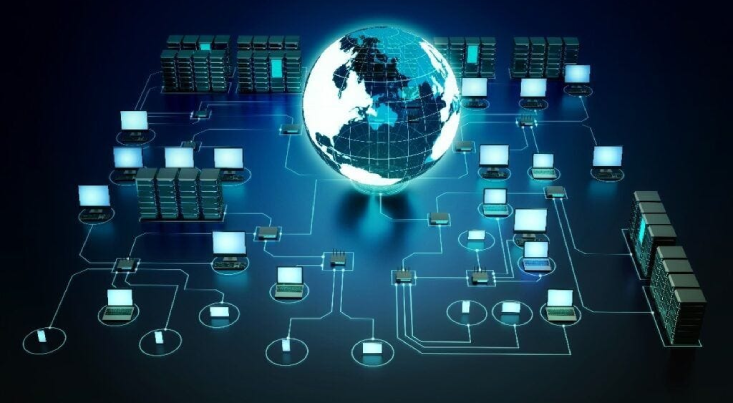
How Networking Powers the Modern World: Behind the Scenes of Connectivity
In today’s fast-paced digital landscape, we hardly pause to consider the unseen infrastructure that makes instant messaging, video streaming, or cloud...
In today’s fast-paced digital world, we rarely stop to think about the technology that powers instant messaging, video streaming, and cloud computing. At the core of this connected ecosystem is networking, which enables seamless communication, information sharing, and global innovation. Just as networking keeps the digital world connected, digital marketing helps businesses connect with their audiences, strengthen their online presence, and drive growth.
We live in a time when being connected is not a luxury, but a basic expectation. Yet, few recognize how deeply embedded networking is in nearly every facet of modern life.
A World Bound by Connections
Imagine starting your day: your phone syncs overnight emails, you scroll through your social media feed, play music on a smart speaker, and attend a remote meeting—all without a second thought. None of this would be possible without computer networks.
Networking forms the digital nervous system of our world. It’s the reason you can access files on the cloud, make a payment via a QR code, or track your online order in real-time. It connects continents, fuels industries, and bridges people—instantly and continuously.
In this era, if the internet is the information highway, then networking is the entire road system—roads, signals, GPS, and traffic rules—everything needed for smooth travel.
Networking as a Catalyst for Innovation
The role of networking has evolved dramatically. What began as a simple way for computers to share resources has grown into a vast ecosystem. Networking has become the very foundation of technologies that are shaping the future—Artificial Intelligence, Internet of Things (IoT), remote healthcare, and autonomous vehicles, to name a few.
Take the example of IoT. Smart homes rely on internal networks to connect devices—from refrigerators to security systems. In smart cities, networking enables real-time data sharing between sensors and control systems to reduce traffic congestion, manage utilities, and enhance public safety.
None of these breakthroughs are possible without the complex, intelligent web of networks running silently behind the scenes.
The Workplace Revolution
The COVID-19 pandemic amplified the value of networking. As businesses worldwide shifted to remote models, networking infrastructures were pushed to their limits. VPNs, cloud platforms, and secure remote access tools became lifelines for productivity.
In the post-pandemic world, hybrid work is here to stay, and enterprise networking has never been more critical. Companies are investing in stronger, more flexible networks to support everything from global collaboration to AI-driven analytics.
Networking has redefined the idea of a workplace. Now, your office can be your living room, a café, or even an airport lounge—so long as you’re connected.
Social Connectivity and Culture
Beyond industry and technology, networking has transformed how people connect, communicate, and share ideas. Social media platforms, video conferencing, online gaming, and digital communities all rely on strong networking systems. Similarly, a reliable IT company helps businesses leverage these technologies through innovative IT solutions, enabling better communication, collaboration, and digital growth.
This cultural shift has given rise to new forms of communication—emojis, memes, live streaming—that transcend traditional language barriers. People from opposite sides of the planet now collaborate on music, participate in protests, or share knowledge through virtual platforms.
Networking has flattened the world, making real-time global interaction not only possible but routine.
Economic Impact and Digital Inclusion
Networking is not just a technical tool—it is also an economic driver. E-commerce, digital banking, fintech, and cloud services all depend on high-speed, secure networks.
For developing regions, access to reliable networking can be a game-changer. Digital inclusion through broadband connectivity can open doors to education, telemedicine, and entrepreneurship.
However, the digital divide remains a global challenge. Unequal access to networking infrastructure means that millions are still left out of the digital economy. Bridging this gap is one of the great imperatives of our time.
The Future is Software-Defined and Smart
The future of networking is dynamic, agile, and software-defined. Traditional static networks are giving way to software-defined networking (SDN) and network function virtualization (NFV). These allow for greater automation, scalability, and control, especially as 5G and edge computing gain ground.
With the rise of smart systems and connected everything, networking is shifting from hardware-heavy installations to intelligent, cloud-based frameworks. It’s becoming smarter, self-healing, and capable of responding to real-time demands—an exciting evolution that promises new opportunities and complexities.
Conclusion
Networking may not always receive the spotlight like AI or blockchain, but it remains the backbone of the digital world. It supports business growth, strengthens online connectivity, and enables seamless digital interactions. Similarly, SEO services help businesses build a strong online presence, improve search engine visibility, attract relevant audiences, and achieve sustainable growth in an increasingly competitive digital landscape.
As we continue to innovate and digitize, the demand for robust, secure, and inclusive networks will only grow. Whether you’re a casual user or a tech professional, understanding the pivotal role of networking helps us appreciate the intricate web that quietly keeps our world connected.